A bright, white smile is a common goal for many people, and teeth whitening has become a popular way to achieve it. There are several methods available, each with its own advantages and drawbacks. Understanding the pros and cons of different options can help you choose the most suitable approach for your needs.
In-Office Professional Whitening
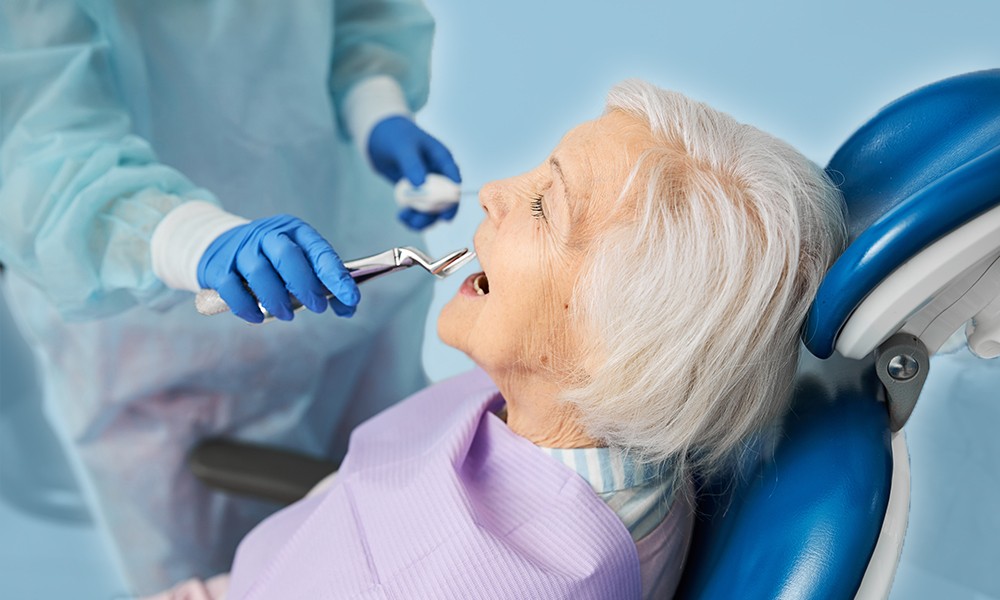
Professional whitening performed at a dental clinic is one of the fastest and most effective methods. Dentists use stronger bleaching agents and advanced tools to lighten teeth by several shades in a single session, making it easier to find effective teeth whitening near me options.
Pros:
- Quick and noticeable results.
- Supervised by a dental professional for safety.
- Can address stubborn stains.
Cons:
- Higher cost compared to at-home treatments.
- Certain patients might notice temporary tooth sensitivity.
- Requires visiting the dental clinic.
At-Home Whitening Kits
Dentists can provide custom trays and bleaching gels for at-home use. These kits allow patients to whiten their teeth gradually over several weeks.
Pros:
- Can be done at your convenience.
- Less expensive than in-office treatments.
- Provides gradual, controlled results.
Cons:
- Results take longer to achieve.
- Must follow instructions carefully to avoid uneven whitening or irritation.
- Less effective for severe discolouration.
Over-the-Counter Whitening Products
Whitening toothpaste, strips, and gels are widely available in stores. They are convenient and affordable, making them a popular choice for many.
Pros:
- Affordable and easy to use.
- Can help remove surface stains.
- No dental visit required.
Cons:
- Limited effectiveness on deep or stubborn stains.
- Results may take longer to appear.
- Overuse can cause enamel damage or tooth sensitivity.
Natural Remedies
Some people prefer natural methods, such as brushing with baking soda or using activated charcoal. While these approaches may offer mild results, they are generally less reliable than professional options.
Pros:
- Affordable and accessible.
- Minimal chemical exposure.
Cons:
- Limited whitening effect.
- Can be abrasive and damage enamel if used excessively.
- Results are slow and inconsistent.
Considerations Before Whitening
It is essential to consult a dentist before starting any whitening treatment, especially if you have dental issues like cavities, gum disease, or sensitive teeth. Whitening is most effective on natural teeth and may not work on crowns, veneers, or fillings. Maintaining good oral hygiene and avoiding stain-causing foods and drinks can also help extend the results.
Conclusion
Teeth whitening offers multiple options, each with benefits and drawbacks. Professional in-office treatments provide fast and dramatic results, while at-home kits and over-the-counter products offer convenience and affordability. Natural methods can be used cautiously but are generally less effective. Choosing the right method depends on your needs, budget, and dental health, and consulting a dentist can ensure safe and satisfying results.