Key Takeaways
- Scalp care needs change throughout different stages of life due to shifts in oil production, skin condition, and hair growth patterns.
- A consistent routine should focus on cleansing, hydration, protection, and regular assessment rather than following a single approach for all ages.
- Younger individuals often prioritise maintaining scalp balance, while older adults may need to address dryness and reduced scalp resilience.
- Persistent discomfort or ongoing scalp concerns may require professional evaluation alongside daily care habits.
Introduction
A healthy scalp provides the foundation for healthy hair, but its needs do not remain the same throughout life. Hormonal changes, environmental exposure, lifestyle habits, and the natural ageing process all influence scalp condition. A routine that works well during early adulthood may no longer be suitable decades later. Understanding how scalp requirements evolve helps individuals make practical adjustments instead of relying on a one-size-fits-all approach. Whether someone is considering ageing scalp treatment or looking for dry scalp relief in Singapore, establishing an age-appropriate scalp care routine begins with recognising these changing needs.
Young Adults
For teenagers and young adults, the scalp typically produces more sebum due to higher hormonal activity. While natural oils help protect the scalp, excessive production may contribute to oil build-up, clogged follicles, or irritation if cleansing is inconsistent. At this stage, the priority is maintaining balance rather than removing every trace of oil. Choosing a shampoo suitable for individual scalp conditions, washing according to activity levels, and avoiding excessive use of styling products can help minimise residue. Gentle exfoliation at appropriate intervals may also remove accumulated dead skin without disrupting the scalp barrier. Heat styling should be moderated where possible, and the scalp should be protected from prolonged sun exposure, particularly during outdoor activities.
Middle Adulthood
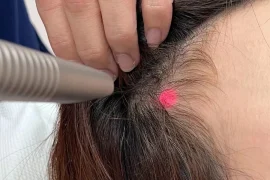
As people enter middle adulthood, scalp conditions often become less predictable. Oil production may gradually decrease, while daily exposure to pollution, UV radiation, and repeated chemical treatments can influence scalp comfort and hair quality. At this stage, routines should become more focused on maintaining hydration and supporting the scalp’s protective barrier. Cleansing products that preserve moisture while effectively removing impurities may become more suitable than highly stripping formulations. Individuals who regularly colour or chemically treat their hair should also pay attention to scalp sensitivity and avoid over-processing. Regular scalp assessments can help identify early changes that may require adjustments to home care or professional advice before discomfort becomes more persistent.
Older Adults
Later in life, natural changes within the skin can make the scalp thinner, drier, and more susceptible to irritation. Reduced oil production may increase tightness, flaking, or sensitivity, even without underlying medical conditions. A routine for older adults should therefore place greater emphasis on hydration and gentle cleansing. Harsh shampoos, frequent washing with very hot water, or vigorous scrubbing may worsen dryness rather than improve cleanliness. Moisturising scalp products designed for ageing skin may help maintain comfort, while regular professional evaluation can assist in distinguishing normal age-related changes from conditions requiring clinical attention. Individuals seeking ageing scalp treatment in Singapore often benefit from first understanding these natural physiological changes before selecting suitable management options.
Adapting Your Routine Throughout Life
Regardless of age, an effective scalp care routine should remain flexible rather than fixed. Seasonal weather, stress, medications, dietary habits, and underlying health conditions can all alter scalp behaviour over time. A routine should therefore be reviewed periodically instead of assuming previous products will always remain suitable. Persistent itching, redness, excessive shedding, or ongoing dryness should not be ignored simply because they develop gradually. Individuals looking for dry scalp relief may find that improving daily scalp care habits complements professional recommendations, particularly when dryness results from multiple contributing factors. Combining appropriate cleansing, hydration, sun protection, and regular monitoring allows the routine to evolve alongside changing scalp needs.
Conclusion
Building a scalp care routine for different age groups requires recognising that scalp health changes throughout life. Younger individuals often focus on managing oil balance, while middle-aged adults benefit from protecting scalp health against cumulative environmental exposure. Older adults may need routines that prioritise hydration and minimise irritation associated with natural ageing. Rather than following trends or using identical products indefinitely, adjusting scalp care according to age and individual condition provides a more practical approach to maintaining long-term scalp health.
Visit Bio Organicare and build a scalp care routine that matches your current needs instead of relying on a one-size-fits-all approach.