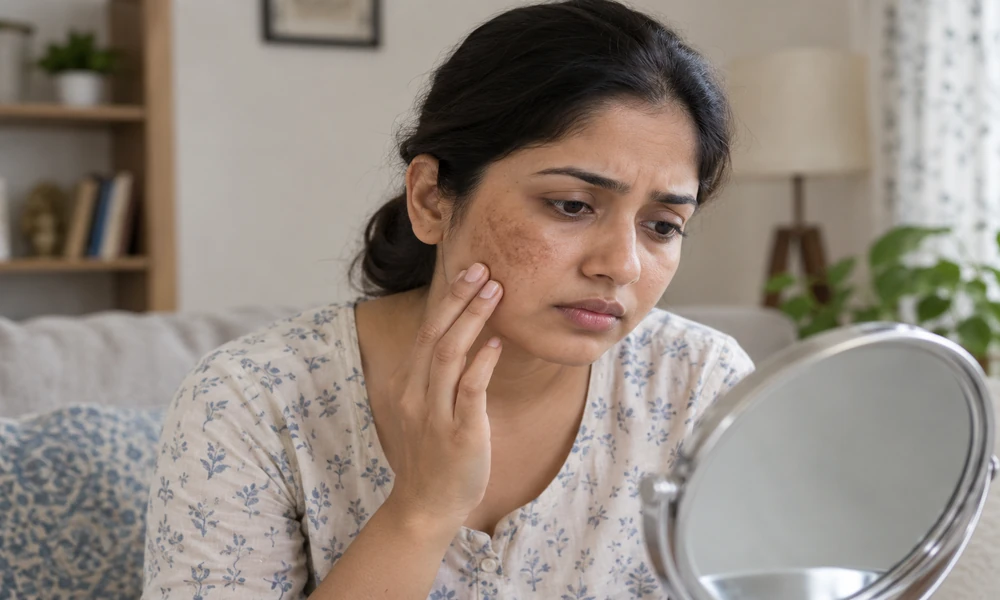
Uneven skin tone, dark patches, and pigmentation can make the complexion look dull or uneven even when the skin itself is healthy. A Cosmelan Peel treatment is one professional option used to address the appearance of pigmentation and support a more even-looking complexion.
It is commonly considered by people dealing with concerns such as melasma, sun-related pigmentation, and uneven skin tone.
What Causes Uneven Skin Tone?
Skin pigmentation is influenced by melanin, the natural pigment responsible for skin colour. When melanin production becomes uneven or excessive in certain areas, darker patches or spots can appear.
Several factors may contribute to pigmentation, including:
- Sun exposure
- Hormonal changes
- Post-acne marks
- Skin inflammation
- Certain medications
- Age-related skin changes
- Genetic and environmental factors
Pigmentation can also return after improvement, particularly when the skin continues to receive frequent UV exposure.
This is why sun protection is an important part of any pigmentation-focused skincare routine.
Common Types of Pigmentation
Not every dark patch has the same cause. Some people experience isolated dark spots after acne, while others may develop broader areas of uneven colour.
Melasma is one common concern. It can appear as brown or greyish patches, often on areas such as the cheeks, forehead, nose, or upper lip. Sun exposure and hormonal factors can influence its appearance.
Post-inflammatory pigmentation is another common concern and can occur after acne, irritation, or other forms of skin inflammation.
How Does Cosmelan Peel Work?
Cosmelan Peel is a professional skin peel approach designed to help improve the appearance of unwanted pigmentation.
It works by targeting processes involved in melanin production and supporting a more even-looking complexion.
The treatment is generally considered for concerns such as facial pigmentation, dark patches, and uneven skin tone.
However, the exact approach can vary depending on the individual’s skin type and pigmentation pattern.
What Skin Concerns Can It Address?
A professional pigmentation treatment may be considered for several concerns related to uneven colour and complexion. Cosmelan Peel is commonly associated with:
- Facial pigmentation
- Uneven skin tone
- Melasma
- Sun-induced pigmentation
- Dark patches
- Post-inflammatory pigmentation
The suitability of the treatment depends on the underlying cause of pigmentation. A consultation with a qualified skincare professional is therefore important before starting treatment.
Benefits of Cosmelan Peel for Skin Tone
One of the main reasons people explore Cosmelan Peel is its focus on pigmentation rather than simply providing temporary surface exfoliation.
Helps Improve Uneven Pigmentation
By addressing pathways involved in melanin production, the treatment can help reduce the visible appearance of unwanted pigmentation over time. This can make the complexion appear more balanced.
Supports a More Even-Looking Complexion
Pigmentation can make some areas of the face appear darker than others. With an appropriate treatment plan, reducing these visible differences may help create a more uniform appearance.
May Improve Overall Skin Appearance
Along with pigmentation concerns, professional peel-based skincare can help improve the appearance of skin texture and dullness. This can contribute to a fresher-looking complexion.
It is important to keep expectations realistic. Results vary from person to person, and pigmentation can require ongoing care.
What to Expect During the Treatment
The exact treatment process depends on the clinic, professional assessment, and individual skin concerns. Before treatment, the skin is generally evaluated to understand the type and extent of pigmentation.
The professional may discuss your skincare history, previous treatments, sensitivity, sun exposure, and current products. This information helps determine whether the treatment is appropriate.
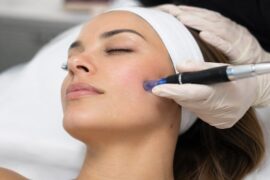
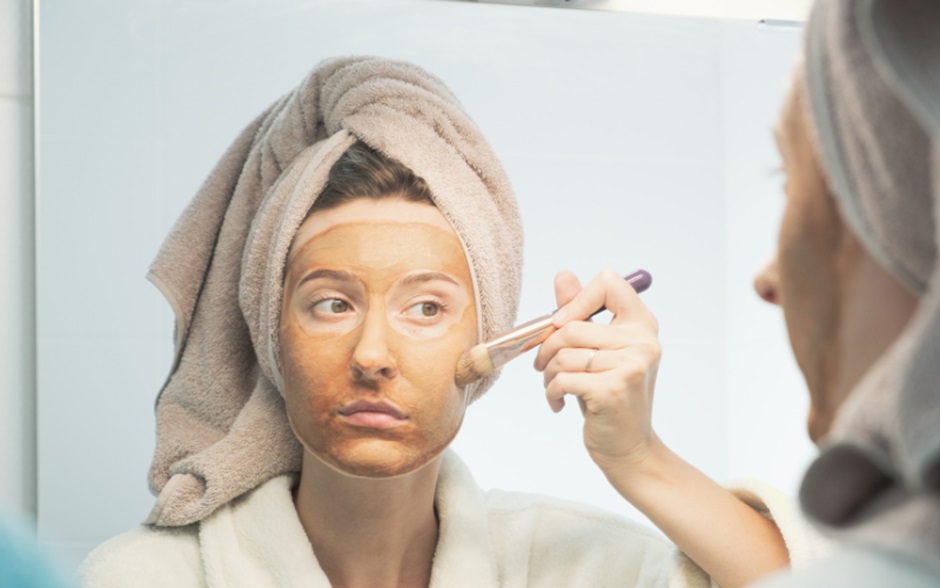
After the professional application, patients may be given specific instructions for home care. Following these instructions carefully is important because the skin may become more sensitive during the treatment process.
Is Peeling Normal?
Depending on the treatment protocol, some people may experience peeling, dryness, redness, tightness, or temporary sensitivity. These effects can differ between individuals.
Rather than trying to speed up the peeling process, it is better to follow the aftercare instructions provided by your skincare professional.
Aftercare Matters
The treatment itself is only one part of pigmentation management. What you do afterward can have a major impact on skin comfort and the overall treatment experience.
Protect Your Skin From the Sun
Sun exposure is one of the biggest factors that can worsen pigmentation. Using a broad-spectrum sunscreen and following appropriate sun-protection measures can help reduce further exposure.
A hat, sunglasses, shade, and limiting prolonged direct sunlight can also be useful, particularly during peak sun hours.
Keep Your Routine Gentle
After a professional peel, the skin may be more sensitive than usual. Avoid introducing multiple new products at once. Your professional may recommend a simple routine focused on cleansing, moisturising, and sun protection.
Harsh scrubs and unnecessary exfoliation should generally be avoided unless specifically advised by your skincare professional.
Can Cosmelan Peel Help With Melasma?
Melasma can be particularly challenging because it may be influenced by hormones, sunlight, heat, and other factors. It can also return even after visible improvement.
Cosmelan Peel for melasma may be considered as part of a professional pigmentation-management plan. However, the treatment should be selected after assessing the individual’s skin and the nature of the pigmentation.
Managing melasma usually requires more than one step. Consistent sun protection and an appropriate home-care routine can be important for maintaining results.
Choosing the Right Approach for Pigmentation
Not every pigmentation concern should be treated in the same way. A dark spot caused by an old acne breakout may require a different approach from widespread melasma.
This is why professional assessment is useful before choosing a skin pigmentation treatment. A qualified professional can consider the cause, skin type, sensitivity, previous treatments, and expectations before suggesting an appropriate plan.
Clinics such as RasaDerm may assess individual skin concerns before recommending professional pigmentation care, rather than taking a one-size-fits-all approach.
Things to Keep in Mind Before Treatment
Before choosing a professional peel, consider the following:
- Discuss your complete skincare history during consultation.
- Mention any previous pigmentation treatments.
- Follow the recommended pre-treatment and aftercare routine.
- Avoid unnecessary experimentation with active skincare products.
- Use sun protection consistently.
- Understand that results may take time.
- Follow-up sessions may be recommended depending on individual needs.
People with sensitive skin or certain existing skin conditions should discuss these factors with a qualified professional before proceeding.
Maintaining More Even-Looking Skin
Pigmentation management does not end once the skin starts looking clearer. Everyday habits can influence how your skin looks over time.
A consistent routine with gentle cleansing, moisturising, suitable skincare products, and daily sun protection can help maintain a healthier-looking complexion. Avoiding unnecessary irritation is equally important, particularly if your skin is prone to developing dark marks after inflammation.
For people dealing with recurring pigmentation, regular professional reviews can also help determine whether the current skincare approach needs adjustment.
Conclusion
Pigmentation, melasma, and uneven skin tone can be persistent concerns, but a carefully planned skincare routine can help improve the overall appearance of the complexion. A Cosmelan Peel treatment may be considered as a professional option for people looking to address unwanted pigmentation and achieve a more even-looking skin tone.
However, the right treatment depends on the cause and characteristics of your pigmentation. Professional consultation, proper aftercare, and consistent sun protection are essential parts of a responsible approach. With realistic expectations and ongoing skin care, it is possible to work toward a brighter, more balanced, and healthier-looking complexion.