
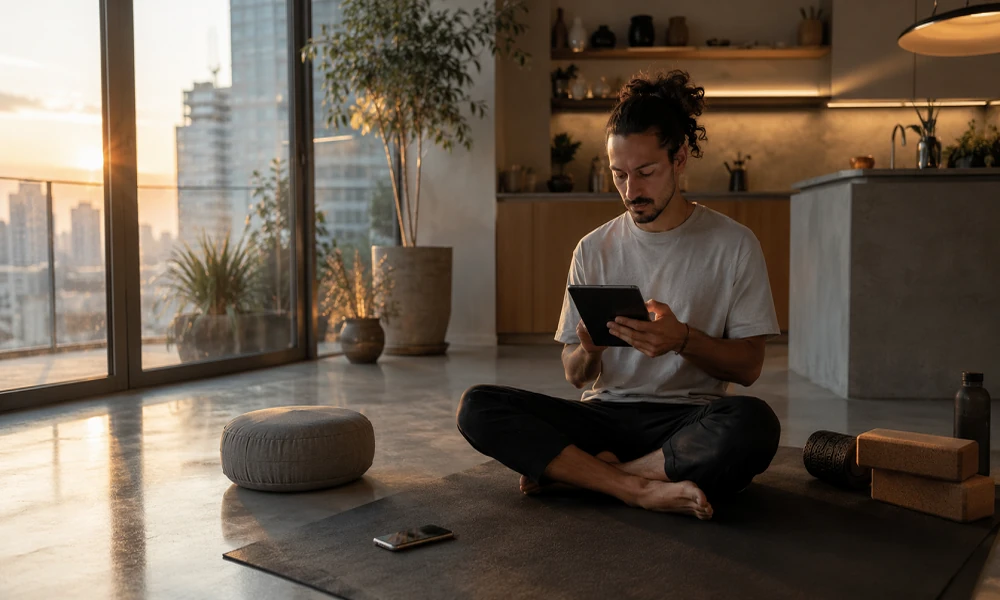
Modern wellbeing rarely follows a fixed schedule. One morning may call for energy; another may need stillness. A crowded workday can scatter the mind, while hours at a desk can make the body feel disconnected. A useful practice should meet each moment without becoming another complicated plan.
Bringing breathwork, meditation, and mindful movement into one digital space gives people several ways to pause. They can choose a practice that reflects their available time, energy, and needs.
Why Combining Mindfulness Practices Makes Sense
Breathwork, meditation, and mindful movement are different disciplines, but each involves deliberate attention. Breathwork focuses on breathing patterns. Meditation develops awareness of thoughts, emotions, sensations, or a chosen anchor. Mindful movement connects attention with posture, effort, balance, and physical sensation.
Together, they create a flexible routine. A restless person may prefer to move before sitting quietly. Someone who feels mentally overloaded may choose guided breathing. On a slower evening, meditation may offer the right pace.
The open app brings these approaches together through an on-demand experience. Op e n describes itself as a mindfulness studio centered on breathwork, meditation, movement, and sound, with digital access through iOS and the web.
Keeping the modalities together can also make experimentation less disruptive. A practitioner can discover how breathing changes a movement session or how gentle motion prepares the mind for meditation without rebuilding the entire routine.

Breathwork for a Clear Transition
Breathwork can create a defined pause after waking, before a meeting, following a commute, or as evening begins. Because the breath is always present, the practice needs little preparation.
A beginner can start by noticing natural breaths rather than controlling them immediately. Guidance may then introduce a comfortable rhythm or longer exhale. The NHS guidance for breathing exercises recommends breathing gently and regularly, allowing the breath to move as deeply as is comfortable without forcing it.
If a session causes dizziness, discomfort, tingling, or distress, the practitioner should stop and return to normal breathing. People with relevant medical conditions or concerns about intensive practices should seek professional guidance.
Meditation for Training Attention
A guided meditation may focus on the breath, body sensations, sound, compassion, visualization, or open awareness. The aim is not to eliminate thought. It is to notice when attention wanders and return without unnecessary judgment.
That repeated return makes short sessions worthwhile. A five-minute practice still counts, even when the mind feels busy. The NCCIH overview of meditation and mindfulness notes encouraging research in some areas while emphasizing that findings vary across meditation methods and studies. Meditation is best treated as a supportive wellbeing practice, not a substitute for medical or mental health care.
Mindful Movement for Body and Mind
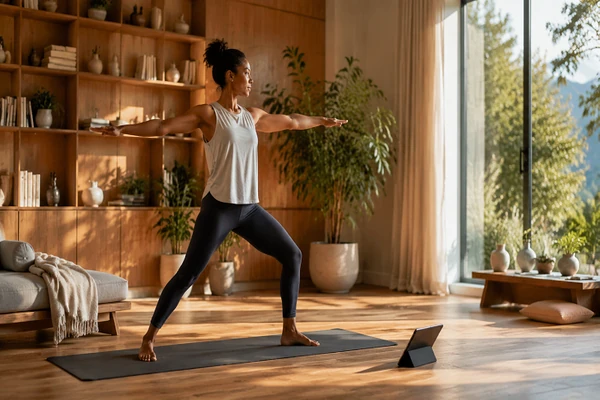
Stillness is not the only path into awareness. Mindful movement uses physical activity as a place to notice the feet meeting the floor, the rhythm of the breath, muscular effort, and transitions between positions.
Op e n’s movement approach includes conditioning, strength, mobility, recovery, and mindful focus. This range lets practitioners choose anything from a gentle release to a more active class. The CDC explains that physical activity can support brain health and emotional balance, and that any amount of activity can help.
Beginners should choose an appropriate level, move within a comfortable range, and pause if pain or unusual symptoms appear.
One Place for Different Moments
An integrated library replaces the question of which separate platform to open with a simpler one: what practice fits this moment?
Mindful movement may help the body wake up. A brief breathing exercise can mark a reset between work blocks. Meditation may suit a quiet lunch break or the transition toward sleep. On another day, the order may change completely.
The app’s official App Store listing describes on-demand classes ranging from short sessions to longer practices, helping users begin with the time they genuinely have. Progress tools and reminders can add structure, but they should support the habit rather than turn it into a performance.
Building a Routine That Can Last
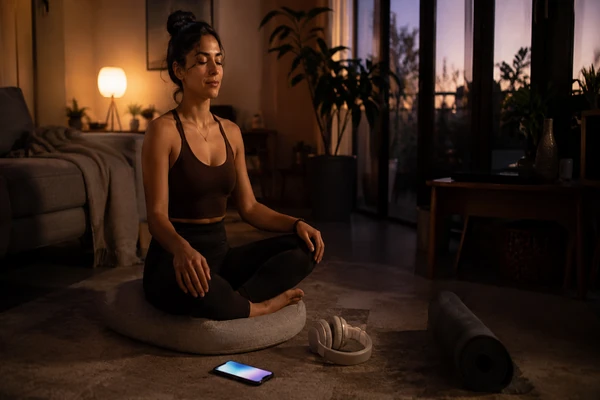
A sustainable routine starts small. Choose one reliable cue, such as finishing morning coffee or closing the laptop. Select a realistic session, even if it lasts only a few minutes, and repeat the pattern before adding duration or variety.
It also helps to measure consistency by participation rather than mood. A session does not need to produce instant calm to matter. Showing up, noticing the experience, and learning which practice fits a particular state can be meaningful progress.
Op e n places multiple forms of mindful practice within easy reach. Explore its digital studio and begin with the session that meets the body and mind where they are today.