
Heart disease often develops gradually through high blood pressure, high cholesterol, diabetes, obesity, smoking, inactivity, stress, and progressive narrowing of the coronary arteries. By the time symptoms such as chest discomfort, breathlessness, fatigue, or reduced exercise tolerance appear, the underlying problem may have been developing for years.
This is why some patients search for heart treatment without surgery. The phrase can mean lifestyle-based cardiac rehabilitation, medicine-led management, or structured integrative care. However, non-surgical treatment should never mean avoiding angioplasty, bypass surgery, or emergency care when those interventions are clinically necessary. The real question is whether a patient can be safely managed with a structured program that targets symptoms, functional capacity, and major cardiovascular risk factors under medical supervision.
A reliable program should include several essential components.
1. Start With a Proper Cardiac Diagnosis
Any non-surgical cardiac program should begin with diagnosis, not assumptions. Symptoms alone cannot show how severe the disease is or whether a procedure is needed.
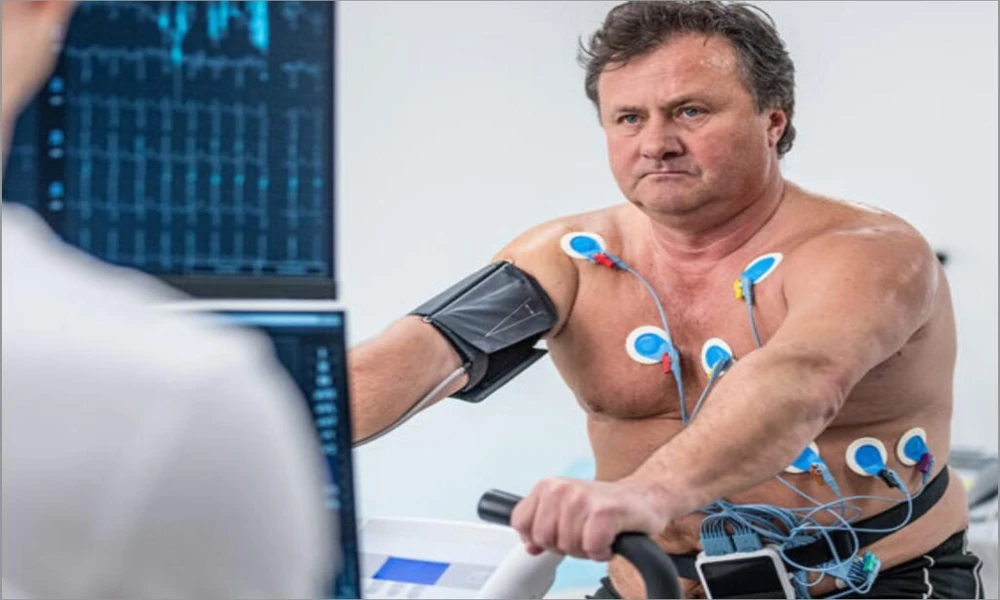
Depending on the patient, doctors may use an ECG, 2D echocardiography, treadmill testing, blood investigations, blood-pressure monitoring, lipid testing, blood-sugar assessment, or additional imaging. These tests help identify the condition, measure its severity, and establish a baseline for monitoring progress.
A structured heart disease treatment program should therefore begin by answering three questions: What is the exact cardiac problem? How much is it affecting heart function? What immediate risks need to be controlled?
2. Understand Whether Heart Blockage Is Present
Coronary artery disease occurs when the arteries supplying the heart become narrowed by plaque. The seriousness of a blockage depends on its location, the number of vessels involved, symptoms, heart function, and evidence of reduced blood flow.
Patients exploring non-surgical care for heart blockage or coronary artery disease should receive a clear explanation of when conservative management may be reasonable and when a procedure is safer. Significant or unstable symptoms, acute heart attacks, and certain high-risk blockages may require urgent interventional treatment.
For stable patients, long-term care still matters because opening one artery does not remove the factors that caused atherosclerosis.
3. Address Ischaemia, Not Just Chest Pain
Chest pain can occur when the heart muscle is not receiving enough oxygen-rich blood. This is called ischaemia. Some patients experience pressure or heaviness, while others develop breathlessness, unusual fatigue, or reduced exercise tolerance.
A supervised program for ischaemic heart disease should focus on symptom control and factors contributing to reduced coronary blood flow. This may involve prescribed medicines, dietary changes, gradual physical conditioning, blood-pressure control, cholesterol management, diabetes management, smoking cessation, and weight reduction.
Feeling better is not enough. A good program should also use measurable clinical or functional markers to determine whether the patient’s capacity is improving safely.
4. Include Supervised Cardiac Rehabilitation
Cardiac rehabilitation combines carefully planned exercise, education, risk-factor management, and follow-up.
Exercise should be matched to the individual’s condition rather than following a generic fitness plan. Someone with stable coronary disease may tolerate a very different workload from a person recovering from a procedure or living with reduced heart function.
Supervision is especially important for patients with heart failure, where breathlessness, fluid retention, fatigue, abnormal heart rhythms, and reduced pumping function may limit what is safe. Rehabilitation should progress gradually and be adjusted when symptoms or clinical measurements change.
5. Control the Conditions Driving Heart Disease
A heart-focused program cannot ignore diabetes, hypertension, obesity, or abnormal cholesterol. These conditions often occur together and can continuously increase cardiovascular risk.
Uncontrolled blood pressure makes the heart work harder. High blood sugar damages blood vessels and accelerates atherosclerosis. Excess abdominal fat is associated with metabolic risk, while abnormal cholesterol contributes to plaque formation.
An effective program should therefore include a personalised diet plan, regular monitoring, medication review by qualified clinicians, weight-management support where required, stress and sleep management, and practical goals the patient can follow at home.
This broader approach matters because cardiovascular care is not only about treating one blocked artery. It is about reducing the overall burden on the heart and vascular system.
6. Do Not Stop Prescribed Medicines Without Medical Advice
Patients interested in Ayurveda or integrative cardiac care sometimes assume that starting a new program means stopping conventional medicines. That can be dangerous.
Blood thinners, cholesterol-lowering medicines, blood-pressure medicines, diabetes medicines, and other cardiac drugs may be essential depending on the patient’s diagnosis and history. Any change should be made only by the treating medical team after reviewing symptoms, test results, and response to treatment.
Integrative care should work alongside necessary medical therapy rather than encouraging sudden medication withdrawal.
7. Plan Long-Term Care After Angioplasty
Non-surgical cardiac care is also relevant after an intervention. Angioplasty restores blood flow through a narrowed artery, but it does not eliminate the biological and lifestyle factors contributing to coronary disease.
Structured post-angioplasty care can include medication adherence, gradual activity, nutrition, blood-pressure and glucose control, cholesterol management, weight management, and supervised rehabilitation. These measures support recovery and ongoing cardiovascular risk reduction.
The same principle applies after other cardiac procedures: treatment should not end when the patient leaves the hospital.
What Should Patients Look for Before Enrolling?
Before choosing a non-surgical cardiac program, ask whether it provides a documented diagnosis, qualified medical supervision, measurable baseline assessments, individualised treatment planning, monitoring of medicines and risk factors, supervised rehabilitation, and scheduled follow-up.
Be cautious of programs that guarantee reversal, promise that every patient can avoid surgery, or advise stopping prescribed cardiac medicines without appropriate assessment.
The most responsible approach is not “surgery versus no surgery.” It is choosing the safest treatment pathway for the individual patient. For some people that may include procedures; for others, carefully supervised medical and lifestyle management may play a major role. In both situations, long-term control of the factors driving heart disease remains essential.