
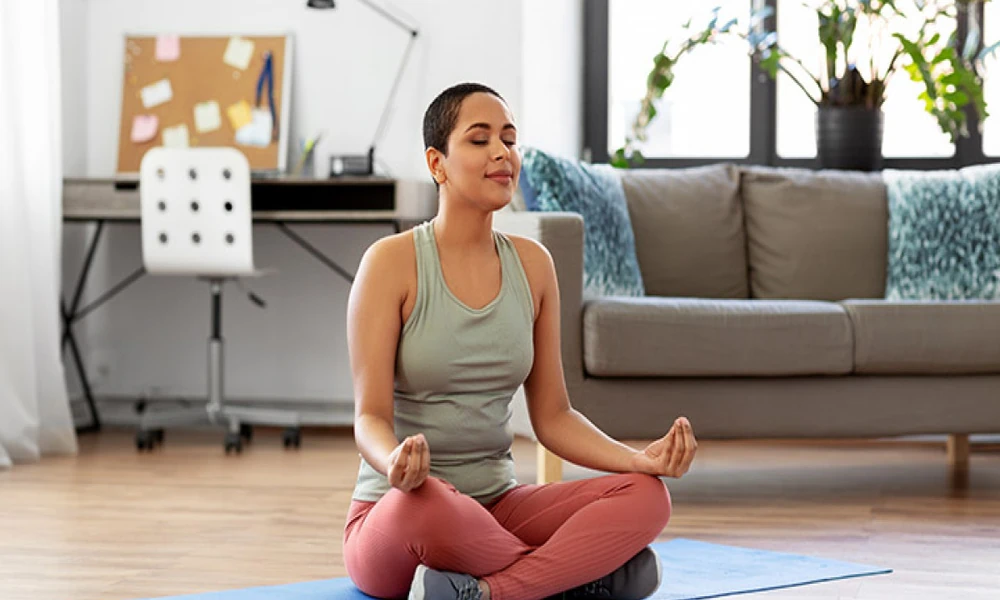
Everyday responsibilities, work pressure, family commitments, and constant notifications can make it difficult to find a moment of quiet. When thoughts keep moving from one concern to another, even a short break may feel insufficient. Breathing meditation offers a simple way to pause, observe the present moment, and develop a more deliberate response to everyday distractions.
This practice involves paying attention to your natural breathing rather than trying to control every thought that enters your mind. It can be performed at home, during a work break, or in another comfortable setting where you can sit quietly for a few minutes.
Beginners do not need special equipment, previous meditation experience, or a complicated routine. Starting with a few minutes each day can help you become familiar with the process and discover which techniques feel comfortable.
The purpose is not to empty your mind completely or eliminate every difficult emotion. Instead, breathing meditation encourages you to notice your thoughts, return your attention to your breath, and approach the experience without unnecessary judgment.
Basics of Breathing Meditation
Breathing meditation is a mindfulness practice in which you direct your attention towards the sensation of breathing. You might notice the air entering your nostrils, your chest rising and falling, or the gentle movement of your abdomen.
Your breathing becomes an anchor that you can return to whenever your attention wanders.
For example, you may begin a session by observing a few breaths and then find yourself thinking about an upcoming meeting. Once you recognise the distraction, you gently bring your attention back to the next inhalation or exhalation.
This process may happen repeatedly, particularly when you are new to meditation. It does not mean that you are doing anything wrong. Recognising that your mind has wandered and returning to the present moment are central parts of the practice.
You can practise breathing meditation independently or combine it with other mindfulness activities. The most important considerations are comfort, patience, and consistency.
Choose a Comfortable Place to Begin
Your surroundings can influence how easily you settle into meditation. Choose a place where you can sit without frequent interruptions from conversations, television, or phone notifications.
A bedroom corner, a comfortable chair in the living room, or a quiet outdoor area can work well. You do not need to create a dedicated meditation room or purchase special accessories.
Before starting, make a few simple adjustments:
- Select a chair or cushion that allows you to sit comfortably.
- Keep your feet supported if you are sitting on a chair.
- Relax your shoulders and avoid unnecessary muscular tension.
- Silence non-essential phone notifications.
- Choose a time when you are less likely to be interrupted.
You can meditate with your eyes closed or keep them gently open while looking at a fixed point. Choose whichever option feels more comfortable.
If sitting still causes discomfort, adjust your position or practise while seated in a supportive chair. Meditation should not require you to maintain a painful posture.
Start by Observing Your Natural Breath
One of the simplest ways to begin is to observe your breathing without deliberately changing it.
Sit comfortably and allow your body to settle. Notice the air moving in and out, paying attention to the sensation rather than trying to achieve a particular breathing pattern.
You might feel the air around your nostrils or notice your abdomen moving slightly as you breathe. There is no need to focus on every detail. Choose one sensation that feels easy to observe.
Continue for one or two minutes. If your attention moves towards another thought, gently return to the next breath.
Avoid taking unusually deep breaths just because you are meditating. Your natural breathing pattern is a suitable starting point.
This technique is useful for beginners because it does not require memorising instructions or coordinating several movements. You simply notice what your body is already doing.
Try Counting Your Breaths
Counting can provide an additional point of focus when your mind frequently wanders.
Begin by sitting comfortably and breathing naturally. Count each exhalation from one to five, then start again at one.
For example, mentally count “one” after your first exhalation, “two” after the next, and continue until you reach five. Return to one and repeat the sequence.
If you lose track, simply begin again without criticising yourself. There is no need to remember the previous number or complete a particular total.
Keep the counting gentle. If you find yourself concentrating more on the numbers than on your breathing, stop counting and return to observing the physical sensations of each breath.
This technique can be especially helpful during short sessions because it gives your attention a straightforward task without requiring much preparation.
Practise breathing meditation for a Few Minutes Each Day
A regular routine can make meditation easier to fit into your schedule. Begin with three to five minutes rather than trying to sit for a long period immediately.
Start by noticing your posture and allowing your shoulders to relax. Observe your natural breathing and choose one sensation, such as the movement of your abdomen, as your main point of attention.
When thoughts arise, acknowledge them without attempting to push them away. Return to the next breath and continue.
You may find that your mind wanders several times during a short session. This is normal, and you do not need to measure your progress by the number of uninterrupted breaths you complete.
As the practice becomes familiar, you can gradually extend your sessions if you wish. Some days may feel easier than others, so allow your routine to remain flexible.
The objective is to practise paying attention, not to achieve a perfect mental state every time you sit down.
Use Gentle Exhalations to Settle Yourself
Some people find it comfortable to make their exhalations slightly longer than their inhalations. This approach may encourage a slower breathing rhythm, provided it does not feel forced.
Sit in a supportive position and breathe in naturally. Allow the breath to leave your body a little more slowly than it entered, without squeezing the air out or holding your breath.
You might experiment with breathing in for three comfortable counts and breathing out for four. These counts are only an example, not a requirement.
If counting creates tension, abandon the numbers and return to ordinary breathing. Do not attempt to take excessively deep breaths or maintain a pace that makes you feel short of breath.
This technique should remain gentle and comfortable. If you notice dizziness, tingling, breathlessness, or other discomfort, stop the exercise and allow your breathing to return to its normal pattern.
People with respiratory conditions or other medical concerns should seek appropriate professional guidance before trying structured breathing exercises.
Combine Breathing With Mindful Body Awareness
Breathing meditation can also help you notice physical sensations that may go unnoticed during a busy day.
Begin by observing your breath for a few moments. Then bring your attention to your shoulders, hands, jaw, and feet.
Notice whether any area feels tense or uncomfortable. You do not need to force the muscles to relax. Simply observing the sensation can help you become more aware of your posture and physical state.
Return your attention to breathing after checking each area. You can alternate between the breath and body sensations for several minutes.
For example, if you notice that your shoulders are raised, allow them to settle into a more comfortable position. If your jaw feels tight, release any unnecessary clenching.
Keep the process gentle and avoid focusing intensely on sensations that feel upsetting or uncomfortable. You can open your eyes, change position, or end the session whenever necessary.
Use Breathing Meditation When Feeling Overwhelmed
During a demanding day, you may notice that your thoughts become difficult to organise or that you feel under pressure to respond to several things at once. A brief pause can provide an opportunity to recognise what is happening before continuing with your activities.
Find a safe place to sit and direct your attention towards your breathing. Allow yourself a few ordinary breaths without immediately trying to solve the problem that is occupying your mind.
Notice any thoughts or emotions that arise. You can mentally acknowledge them and then return to the sensation of breathing.
If focusing on your breath feels uncomfortable, try grounding your attention in the environment instead. Notice your feet touching the floor, the chair supporting your body, or a few objects around you.
These practices are not guaranteed to eliminate distress, but they may help some people create a little distance from immediate distractions.
If difficult feelings become intense, stop the exercise and choose an activity that helps you feel safe and supported. You can also speak with a trusted person or a qualified mental health professional when additional support is needed.
Establish a Morning or Evening Routine
Choosing a consistent time can make meditation easier to remember.
A morning session may offer a quiet opportunity to settle your attention before beginning work or checking messages. An evening session can provide a pause between daytime responsibilities and personal time.
You can connect meditation with an existing habit, such as sitting quietly after waking up or taking a few minutes to yourself after finishing work.
A simple five-minute routine might look like this:
- Sit comfortably and relax your shoulders.
- Observe your natural breathing for one minute.
- Count your exhalations or focus on one breathing sensation for two minutes.
- Spend one minute noticing your posture and surroundings.
- Finish by sitting quietly for a final minute.
You can shorten the routine when you are busy or extend it when you have more time. Consistency is more useful than setting a target that feels difficult to maintain.
Build Patience and Avoid Common Mistakes
Beginners sometimes expect meditation to produce immediate calmness or complete silence in the mind. When this does not happen, they may assume they are practising incorrectly.
In reality, thoughts, sounds, and physical sensations continue to occur during meditation. The practice involves noticing them and choosing where to direct your attention next.
Avoid forcing your breathing, judging yourself for becoming distracted, or trying to copy a routine that feels uncomfortable.
It is also helpful to avoid treating meditation as a replacement for sleep, physical activity, medical care, or professional support when these are needed.
You can make the experience more manageable by starting with short sessions, choosing a comfortable position, and using the same simple technique for several days before deciding whether to change it.
Over time, you may become more familiar with your attention patterns and discover which methods suit you best. Progress does not need to follow a fixed timeline.
Conclusion
Breathing meditation is an accessible way to practise present-moment awareness and take a short pause during everyday activities. By observing your natural breath, counting exhalations, and noticing physical sensations, you can develop a simple routine without requiring special equipment or extensive preparation.
Start with a few minutes each day and allow your experience to guide the pace of your practice. If your thoughts wander, gently return to your breathing instead of judging yourself.
Regular practice may support relaxation and help some people respond more thoughtfully to daily challenges. When anxiety or persistent distress affects your everyday life, however, meditation should be considered a complementary practice rather than a substitute for appropriate professional care.
Frequently Asked Questions
1. How long should a beginner practise breathing meditation?
Start with three to five minutes per session. You can gradually increase the duration if it feels comfortable, but you do not need to meditate for long periods to establish a routine.
2. What is the easiest breathing meditation technique?
Observing your natural breathing is a simple starting point. Notice the air entering and leaving your body, and gently return your attention whenever your mind wanders.
3. Can breathing meditation help calm the mind?
It may help some people feel more settled and develop greater awareness of their thoughts. Individual experiences vary, and meditation does not guarantee immediate relaxation or eliminate difficult emotions.
4. What should I do if my mind keeps wandering?
Acknowledge the distraction without criticising yourself and return to your next breath. Repeatedly redirecting your attention is a normal and important part of meditation.
5. Is breathing meditation suitable for everyone?
Many people can practise gentle breath awareness, but focusing on breathing or changing its rhythm may feel uncomfortable for some individuals. Stop if you experience distress, dizziness, or breathlessness, and seek professional guidance if you have concerns about whether the practice is appropriate for you.