Key Highlights
- Prenatal physiotherapy helps manage the physical strain on the back and joints as the body changes during pregnancy.
- Targeted pelvic floor exercises during the prenatal phase prepare the body for a more efficient labour and delivery.
- Postnatal physiotherapy focuses on safely restoring core strength and addressing abdominal separation after childbirth.
- Professional guidance ensures that mothers return to physical activity at a pace that is safe for their long-term health.
Introduction
The journey of motherhood brings about significant physical transformations that can impact a woman’s comfort and mobility. From the early stages of pregnancy to the months following delivery, the body undergoes structural, hormonal, and muscular changes. Navigating these transitions requires more than just rest; it often requires the specialised support of physiotherapy. For many women, prenatal physiotherapy in Singapore has become a vital component of their pregnancy care plan. Similarly, the role of postnatal physiotherapy in Singapore is essential for ensuring a safe and effective recovery. By working with professionals who understand the unique demands placed on the maternal body, mothers can reduce pain, improve function, and gain the confidence they need to care for their new arrivals. This proactive approach to health helps mothers stay active and resilient during one of life’s most demanding periods.
1. Managing Pelvic and Back Discomfort
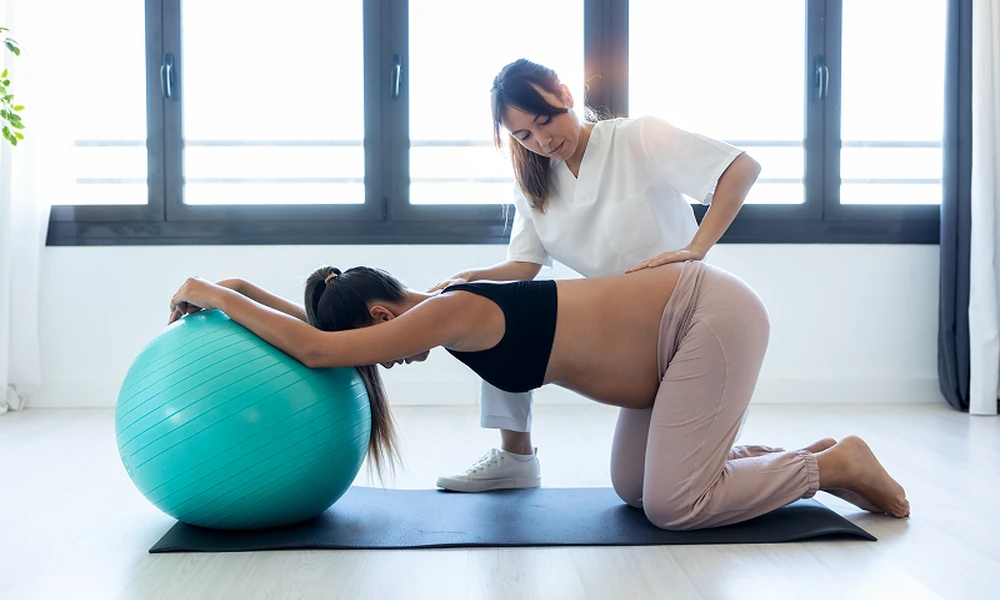
As the baby grows, the mother’s centre of gravity shifts forward, which often leads to an increased arch in the lower back. This change, combined with hormonal shifts that loosen the ligaments, can cause significant discomfort in the lower back and pelvic region. Prenatal physiotherapy in Singapore focuses on addressing these issues through gentle manual therapy and targeted strengthening exercises. A physiotherapist can identify specific areas of tension and provide strategies to improve posture and stability. By strengthening the deep core and gluteal muscles, mothers can better support the extra weight of pregnancy. This not only reduces daily pain but also helps prevent long-term issues that can arise from poor alignment. Managing these symptoms early allows expectant mothers to remain mobile and enjoy a more comfortable pregnancy experience.
2. Preparing for Labour and Delivery
Physiotherapy is not just about managing pain; it is also about preparing the body for the physical demands of childbirth. During prenatal sessions, therapists often focus on pelvic floor health and breathing techniques. A well-functioning pelvic floor is crucial for supporting the internal organs and facilitating the delivery process. Prenatal physiotherapy in Singapore teaches mothers how to both strengthen and, crucially, relax these muscles. Learning how to control the pelvic floor can lead to a more efficient second stage of labour and may reduce the risk of significant tearing. Additionally, physiotherapists can suggest various birthing positions that are most suitable for a mother’s specific pelvic structure. This preparation empowers women with practical tools that can make the birthing experience feel more manageable and less daunting.
3. Restoring Core Strength Postpartum
After the birth of a child, the body needs time and specific guidance to heal correctly. One of the most common concerns for new mothers is the weakening of the abdominal muscles and the potential for diastasis recti (abdominal separation). Postnatal physiotherapy in Singapore provides a structured environment for rebuilding this core foundation. Rather than jumping straight back into high-intensity workouts, which can sometimes cause more harm than good, a physiotherapist will design a progressive exercise programme. This typically starts with deep abdominal activation and breathing exercises before moving on to more traditional movements. Ensuring that the core is functioning correctly is essential for preventing future back pain and ensuring that the body can handle the physical tasks of motherhood, such as lifting and carrying a growing baby.
4. Safe Return to Exercise and Sport
Many mothers are eager to return to their pre-pregnancy fitness levels as quickly as possible. However, returning to high-impact activities like running or heavy lifting too soon can place excessive stress on a recovering pelvic floor. Postnatal physiotherapy in Singapore involves a comprehensive assessment to determine when it is safe to increase the intensity of exercise. A physiotherapist can check for signs of pelvic organ prolapse or lingering muscle weakness that might not be obvious to the mother. By following a professionally guided path, women can return to the sports they love without risking long-term complications. This gradual approach ensures that the body is truly ready for the demands of exercise, fostering a sustainable and healthy lifestyle for the mother in the years following childbirth.
Conclusion
Physiotherapy offers a comprehensive support system for women as they navigate the physical challenges of pregnancy and the postpartum period. By integrating prenatal physiotherapy in Singapore into their routine, expectant mothers can manage discomfort and prepare their bodies for delivery. Following childbirth, postnatal physiotherapy in Singapore provides the necessary roadmap for a safe and effective recovery, focusing on core strength and long-term pelvic health. These services are not just about addressing existing pain but are proactive measures to ensure a mother’s ongoing wellbeing. Taking the time to care for your own body is one of the best things you can do as you transition into motherhood. With professional guidance, you can feel strong, capable, and ready to enjoy every moment with your new baby.
To ensure your body is fully supported throughout your pregnancy and recovery, contact Orchard Health Clinic today to book a consultation for prenatal or postnatal physiotherapy in Singapore.