
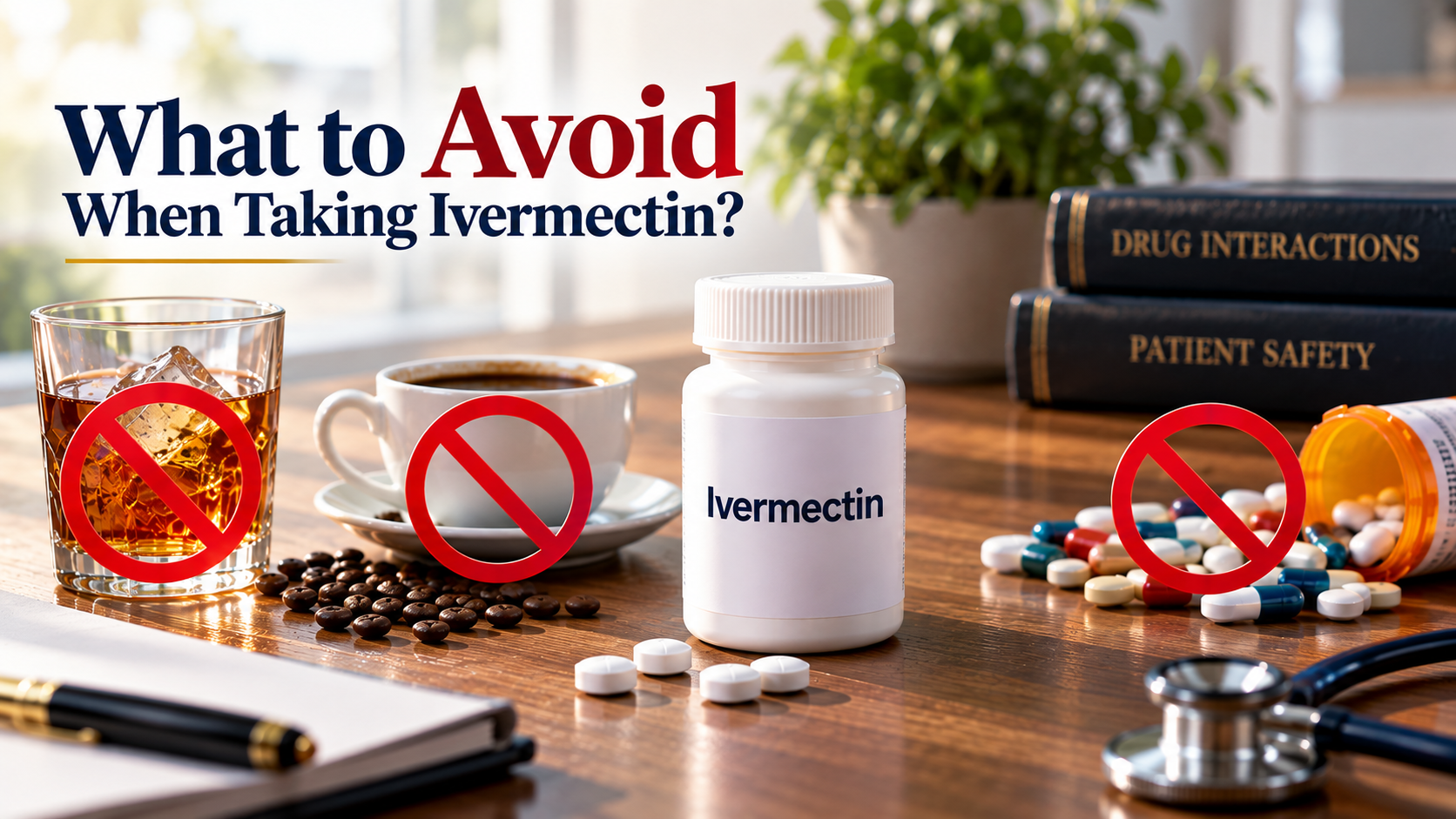
Strongyloidiasis, onchocerciasis, and scabies are among the parasitic illnesses that Ivermectin cures under a doctor’s prescription. Although this medication is usually well tolerated, patients must follow specific safety and efficacy precautions. Patients must know what to avoid during treatment to support quick recovery. Patients should consult a healthcare professional and learn essential safety measures and interactions. Here are the most common things to avoid while taking Ivermectin.
Avoid Alcohol Consumption During Treatment
When taking Ivermectin, the patient must avoid alcohol intake. Alcohol may cause adverse effects like drowsiness, low blood pressure, and dizziness. These side effects may exacerbate the medication’s adverse effects and impair the body’s capacity to function normally. Verified doctors advise the recipient to be away from alcohol during therapy, regardless of the Ivermectin dosage the patient is on.
Specific Medications May Interact
Ivermectin may interact with other medicines, causing side effects or reduced effectiveness. Patients shouldn’t take the medicine with:
- Blood thinners (like warfarin)
- Medications that prevent seizures
- HIV medications
- Additional antiparasitic medications
The patient must consult their doctor and share all current medications before taking Ivermectin, regardless of strength. This ensures the right dosage and helps prevent negative reactions. Learn instructions on how to take the medicine.
Avoid Driving or Operating Heavy Machinery
Some recipients may feel tired, dizzy, or have blurred vision after taking Ivermectin. These adverse effects may affect reaction time and coordination. Patients should rest and avoid using heavy machinery or driving until they understand how Ivermectin affects their body, especially if they are taking it for the first time.
Avoid Taking the Tablet On an Empty Stomach
Ivermectin should be taken at least an hour before or two hours after a meal, for better absorption and efficacy. The oral medicine is to be taken with a glass of plain water. However, some patients eat before taking the tablet, which reduces the medicine’s potency.
When taking Ivermectin, the patient must follow their doctor’s instructions for optimal results. The medication’s effects can greatly increase over time.
Don’t Miss or Double Doses
Serious problems may arise if a dose is missed or if the patient takes two doses to make up for it. Ivermectin should always be taken as directed. Irregular use may reduce the medicine’s ability to fully cure the infection, which may lead to resistance or treatment failure.
What Are the Side Effects of Ivermectin?
Like other antiparasitic drugs, Ivermectin may also cause side effects in some patients. Common Ivermectin side effects include –
- Fatigue
- Diarrhea
- Nausea/Vomiting
- Muscle pain
- Dizziness and loss of balance
- Stomach pain
- Neck and back pain
- Joint pain/stiffness
- Swollen, painful lymph glands
- Tingling sensation in the hands, feet, or muscles
Doctors normally keep patients under observation during treatment to help them manage these side effects more quickly. Patients must follow a doctor’s advice when taking Ivermectin. Wrong dosages or drug intake without a proper diagnosis may result in health risks. A doctor checks whether a patient has a parasitic infection and suggests the right treatment.
Rare and serious side effects of Ivermectin include –
- Vomiting
- Mood changes
- Fever, swollen glands, swelling in hands or feet
- Serious skin rash, severe itching, or rashes with pus
- Swollen eyes or eye redness, bloody eye, vision trouble
- Confusion, hallucinations, extreme drowsiness
- Loss of balance, and trouble walking
- Stomach pain
- Joint pain
- Fast heart rate, breathing trouble
- Loss of bladder or bowel control
- Neck or back pain
- Black, tarry stools
- Unusual bleeding
- chest pain
- chills
- cold sweats
- Neurotoxicity symptoms like disorientation and seizures (convulsions)
What Lifestyle to Follow When taking Ivermectin
- Follow a nutrient-rich diet to boost your body’s immune system. A robust immune system can easily flush parasites out of the body.
- Maintain a fibre-rich diet low in refined flour and that does not contain processed food. Fibre is essential as it helps clear the intestine and keep it active throughout the treatment process.
- Include anti-parasitic edibles like honey, garlic, pumpkin, and papaya seeds in your diet.
- Do not eat raw or undercooked meat or seafood during the ongoing treatment to prevent further parasitic growth in your body.
- Go for a sugar-free diet.
- Drink plenty of fluids (mostly water) to stay hydrated.
- Avoid caffeine consumption.
Final Thoughts
Ivermectin is a popular antiparasitic medicine due to its mode of action. The drug affects the nervous system of some parasites, making it impossible for them to move or survive. This makes it easy for the body to flush out the parasites.
Doctors prescribe Ivermectin to treat various parasitic infections, such as intestinal worm infections and skin infestations. When taken as directed, the drug is very effective at eliminating parasites and supporting overall health. You can have a safe and effective treatment experience by avoiding heavy machinery, alcohol, drug interactions, inadequate timing, and dosing mistakes.