Mobile medical vehicles can be a helpful tool to assist healthcare providers in serving communities that are in need because of proximity, transportation or infrastructure access issues. But providing good healthcare from a mobile unit necessitates careful planning. This requires a coordinated and integrated medical design, power system design, technology, security and maintenance.
These custom vehicles rely heavily on specialized engineering and heavy-duty infrastructure to remain operational in diverse field environments. From onboard climate control to high-capacity battery systems, integrating rugged Medical Vehicles Industrial Systems Behind Guide principles ensures that every piece of diagnostic and care equipment functions safely on the move. By bridging the gap between mechanical engineering and clinical operations, healthcare providers can maintain standard-of-care consistency even in remote or underserved locations.
Explain the concept of the Healthcare Purpose.
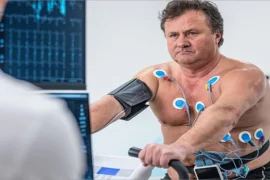
First, you need to determine what services your car will be performing. The requirements for a mobile unit for health screening and dental care, diagnostic testing and vaccination programs or specialist consultations may differ. The goal of the project will guide the selection of equipment and the interior design.
Plan the Interior of the Clinic for the Efficient Care of the Patient
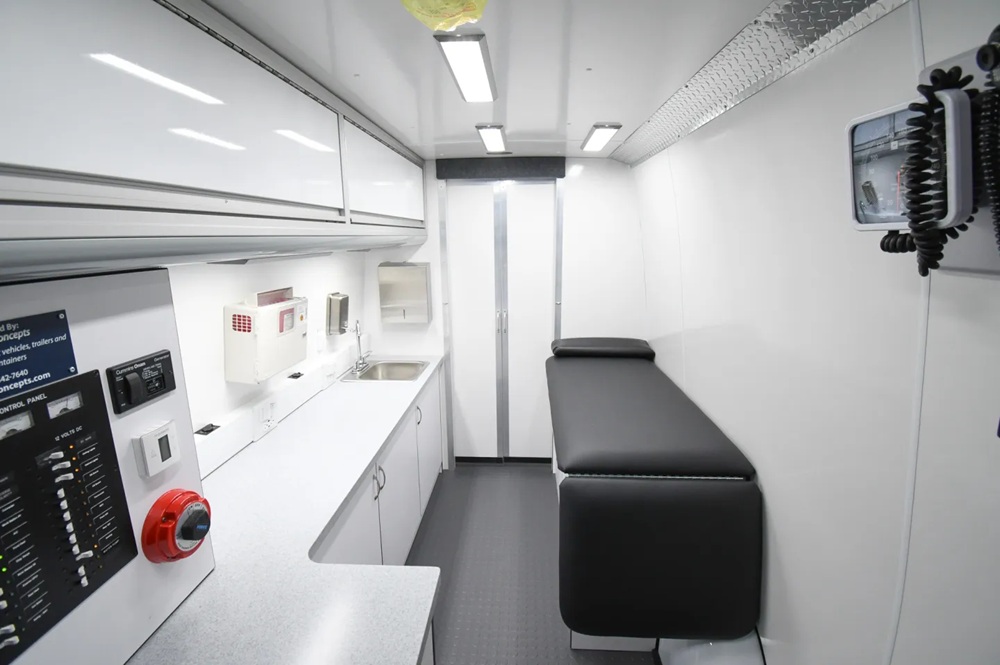
Since mobile medical vehicles have limited space, careful planning of the area is essential. Areas for consultation can be set up, treatment areas can be prepared, equipment can be stored, staff work areas can be space-efficient, and patient flow routes can be organised for efficiency. An efficient system design can enhance patient comfort and facilitate workflow.
have a plan for reliable power systems.
A regular electric supply is required for medical equipment. The power supply must be adequate for the equipment, lighting, heating/cooling and communication systems in the vehicle. Backup power solutions might also be significant if providers are offered in outlying areas or emergencies.
Properly control the environmental conditions.
Patient comfort and equipment performance can be impacted by temperature control, ventilation and insulation. Medical vehicles are mobile and need to be built to function in a variety of weather conditions and have an interior environment that is safe and functional.
Integrate Technology Carefully
The possibilities of mobile healthcare units can be enhanced with digital health records, TeleMedicine platforms, diagnostic tools and communication systems. But technology needs to be deliberately chosen and deployed as per the operational requirements. Another aspect to consider is the reliability of connections and the type of data security you get.
Safeguard Hygiene and Safety First.
Arrangements of interior surfaces, equipment location, ventilation and cleaning procedures should facilitate hygienic working. Clear zoning and/or storage systems can help to keep different work areas for patients and health care workers.
mobility and accessibility.
The vehicle needs to have access to the areas where communities are located. While designing, route planning, vehicle sizes, road conditions, parking needs and accessibility should be taken into account. There should also be access to patient areas and internal spaces to cater for patients with varying mobility requirements.
Create a Robust Maintenance Plan
For long-term reliability, regular servicing, equipment inspections, system testing and cleaning of vehicles, equipment and systems are important. Preventive maintenance can aid in the early detection of issues, thus avoiding disruption of healthcare services.
Finally, the successful operation of mobile medical vehicles requires coordination of healthcare planning, vehicle design and engineering, technology and operational support. Organisations can develop mobile healthcare units that help to extend lifesaving services to more communities by defining the medical purpose, designing efficient interiors, making sure of reliable power, ensuring conditions are suitable for hygiene, ensuring careful integration of technology and maintaining the vehicle regularly.